
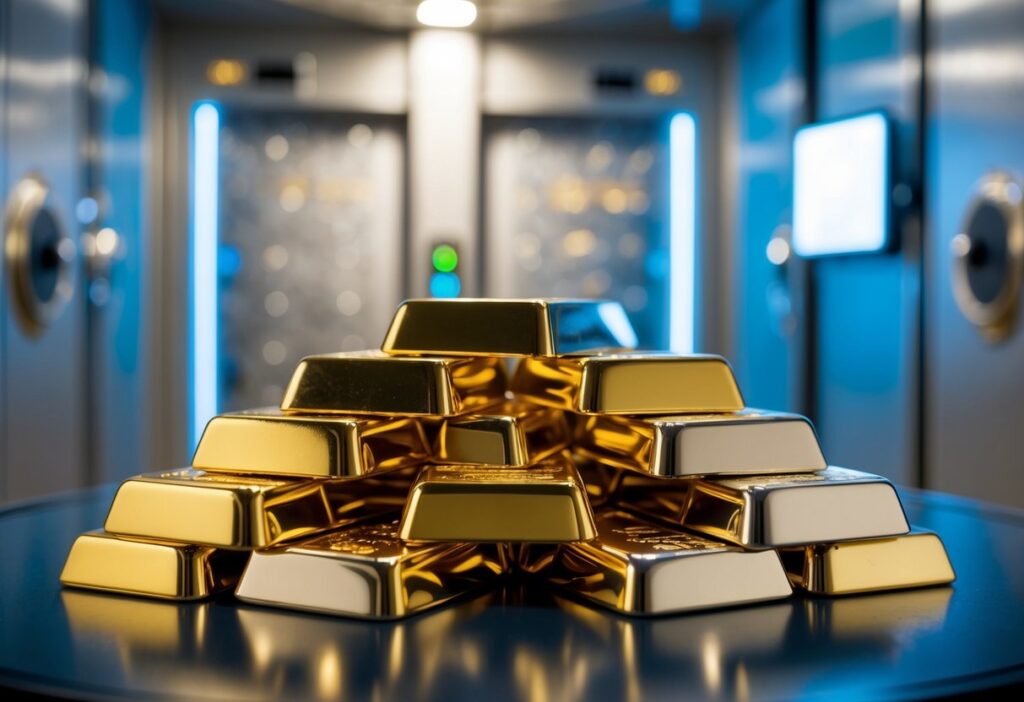
Investing in precious metals like gold, silver, platinum, and palladium can be a smart way to diversify your portfolio.
These metals have been valued for centuries, and they can serve as a hedge against inflation and economic uncertainty. Including precious metals in your investments can offer your portfolio a level of protection that traditional stocks and bonds may not provide.
When looking at precious metals, you have several options. You can buy physical forms like coins or bars, or invest in related financial products like exchange-traded funds (ETFs).
Each method has its upsides and risks, so it’s important to choose based on your financial goals and comfort level.
It’s also worth considering how precious metals can react differently to market events. While stocks might fall during times of uncertainty, metals like gold and silver often retain their value or even increase in demand. This makes them a strategic choice for long-term stability in your investment approach.
Contents
Why Invest in Precious Metals?
Investing in precious metals like gold and silver can offer several advantages for your financial strategy. They can act as a strong store of value, help diversify your portfolio, and serve as protection against inflation.
Historical Store of Value
Precious metals have been prized for centuries, known to keep their worth over long periods. Gold, for example, has been used as a form of currency and a sign of wealth throughout history. Its scarcity and physical properties make it valuable.
In times of economic uncertainty, many turn to precious metals as a reliable place to store wealth. Silver and other metals have also played similar roles, helping safeguard wealth when paper money’s value decreases.
Having gold or silver can be reassuring in times of need. They’re not tied to any specific country or economy, which makes them a solid choice when you want to protect your assets.
Portfolio Diversification
Diversifying your investment portfolio by adding precious metals can reduce risk. Stocks and bonds are more prone to market swings, but metals like gold and silver tend to move differently.
When traditional assets like stocks go down, precious metals might hold steady or even rise. This opposite movement can balance out your overall investment results, reducing volatility.
Including metals adds variety to your investments, lowering the risk that comes from putting all your eggs in one basket. Diversification is key to a robust portfolio, and metals can play a crucial role in this strategy.
Hedge Against Inflation
Precious metals are often viewed as a hedge against inflation. As costs rise, the value of paper currencies drops, but gold and silver usually retain their value. This makes them an appealing option when inflation is a concern.
By owning precious metals, you can protect your buying power over time. Gold and silver prices often increase along with the costs of goods and services, helping maintain your wealth.
Adding metals to your portfolio could help guard against inflation’s effects. Keeping some of your assets in gold or silver allows you to potentially cushion your wealth against economic challenges.
Types of Precious Metals
You might know that precious metals can be a smart addition to your investment portfolio. Each metal has unique characteristics and uses. Let’s explore some of the most important ones, starting with well-known options and then moving to less common metals.
Gold and Silver
Gold is often seen as a safe-haven investment. It’s been used for jewelry and currency for centuries. People like gold for its ability to hold value over time, especially when markets are shaky. You can invest in gold through bars, coins, or funds. Each method has different costs and levels of convenience.
Silver is also popular for investment. Known for its industrial applications, silver is used in electronics and solar panels. Investing in silver can include buying coins, bullion, or shares in silver mining companies. Silver prices can be more volatile than gold, but it offers more growth potential in some situations.
Platinum Group Metals
The platinum group metals include Platinum, Palladium, Rhodium, Ruthenium, Iridium, and Osmium. These metals have special uses, mostly in industrial settings.
Platinum is used in jewelry and catalytic converters. Its price can be influenced by the car industry. Palladium has similar uses to platinum and has seen high demand and prices due to its role in reducing car emissions.
Rhodium is also used in automotive catalysts. It is very rare and has high value. The other metals like ruthenium, iridium, and osmium have niche industrial uses, often in electronics and chemical processes. Investing in these metals requires understanding their markets and uses. You can invest via specialty funds or buying physical metal.
Physical Precious Metals vs. Paper Assets
Investing in precious metals involves both physical and paper options. Each has its own benefits and challenges.
Bullion: Bars and Coins
Physical bullion includes gold or silver bars and coins. These are pieces you can hold in your hand, making them appealing for investors who value tangible assets.
When you buy bullion, you own the metal outright. You can store it yourself or use a professional storage service. Security and storage costs are important to consider.
The value of bullion depends on the price of the metal. It might offer stability during economic uncertainty. Liquidity is generally high, meaning you can sell it easily when needed.
Gold and Silver ETFs
ETFs, or Exchange-Traded Funds, are a way to invest in metals without owning physical gold or silver. These funds trade on stock exchanges like regular stocks. They track the price of the metals they represent.
Investing in ETFs offers more flexibility and typically has lower fees than owning physical bullion. There’s no need to worry about storage or insurance costs.
They are easily accessible, making it simple to buy or sell shares anytime. It’s important to remember that you don’t own the physical metal itself. You’re investing in a fund that represents the metal.
Mining Stocks and Mutual Funds
Mining stocks and mutual funds are another form of paper assets. When you invest in mining stocks, you purchase shares of companies that extract and process metals.
These stocks can be volatile, as their value hinges on metal prices and company performance. They offer the potential for dividends and growth beyond the metal price.
Mutual funds pool money from many investors to buy a diversified basket of mining stocks. This approach spreads risk but can also limit potential returns if the metal prices soar. Understanding the companies involved is important for informed investing.
Investment Vehicles
When considering how to invest in precious metals, you have several options. Each has its advantages and can fit different investment strategies, whether you want flexibility, protection from market swings, or just an easy way to access these metals.
Exchange-Traded Funds
Exchange-Traded Funds (ETFs) offer a convenient option for investing in precious metals without the hassle of storing physical assets. ETFs track the price of metals like gold, silver, or platinum, providing a liquid and low-cost way to invest.
You can buy or sell these funds like stocks, making it easy to enter and exit the market. They’re held in your investment portfolio and can help diversify your assets. Each ETF might cover a single metal or a mix, allowing you to tailor your investment to precise market trends.
Futures Contracts
Futures Contracts are a more advanced way to invest in precious metals. They allow you to agree to buy or sell a metal at a predetermined price on a specific date in the future.
These contracts can be useful for hedging risk in your portfolio, particularly if you expect price changes in metals like silver. It’s worth noting that futures are speculative and require a strong grasp of market trends and strategies. The complexity means futures are best suited for more experienced investors.
Commodities
Commodities involve trading the actual physical metals like gold bars or silver coins. While owning actual metals can be appealing, it requires proper storage and security.
Investing in commodities typically suits those interested in a tangible asset that may retain or increase value over time. Their demand is often tied to global events or currency fluctuations, providing a hedge against inflation. Commodities also increase your portfolio’s diversity and can offer stability in volatile economic times.
Factors Influencing Precious Metals Prices
Prices of precious metals like gold are affected by many things, including market instability, how much people want them, and world events. Each factor plays a role in the changing value of these important commodities.
Market Volatility
Market volatility often impacts the pricing of precious metals. When the stock markets face ups and downs, investors may rush towards safer options like gold. Gold prices tend to stabilize when other markets are unpredictable.
Changes in interest rates also contribute to this volatility. Higher rates make holding non-yielding assets like gold less attractive. Conversely, when rates drop, gold becomes a more favorable option. Additionally, economic data releases and policy decisions can cause rapid shifts in market sentiment, influencing precious metals’ appeal.
Supply and Demand
The balance between supply and demand is a driving force for precious metal prices. When demand rises, perhaps due to increased usage in industries like technology or jewelry, prices can climb. Conversely, when supply outstrips demand, prices may fall.
Gold, silver, and other metals are extracted from mines, and changes in mining output can alter supply levels. New mining technologies or discoveries might increase supply, while regulatory challenges can restrict it. This delicate balance keeps commodities’ values ever-changing in a dynamic market environment.
Geopolitical Conditions
Political events across the globe have a direct impact on precious metal prices. Conflicts and tensions often lead to increased demand for stable assets, such as gold. In times of uncertainty, countries and investors seek these metals to safeguard their wealth.
Trade agreements and tariffs also influence prices. Any shifts in international relations, whether positive or negative, can affect currency stability and economic confidence. As geopolitical conditions evolve, so too does the price outlook for these vital commodities.
Risks and Considerations
When you invest in precious metals, it’s important to think about factors like changing prices, where you will store your metals, and how taxes might affect your gains. Knowing these risks can help you make smarter decisions.
Price Fluctuations
Precious metal prices can change often. They might go up when inflation rises or in times of economic uncertainty. However, they can also drop suddenly. This volatility can impact your investment strategy. If you buy when prices are high, you might not see expected returns if prices fall.
Sometimes, economic stability and currency changes can cause this price volatility. Make sure you keep an eye on market trends and expert analyses. This will help you decide when and how much to invest.
Storage and Insurance
Storing metals like gold and silver is more complex than keeping stocks. You can choose between keeping them at home or in a secure facility. Each has its pros and cons. Home storage increases risk of theft but avoids fees. A bank or secure storage facility adds safety.
Storage in professional facilities requires insurance. Insurance costs are based on the value of the metals and the storage company’s policies. Be sure to factor these expenses into your overall investment cost to avoid surprise costs.
Tax Implications
Owning precious metals comes with tax rules. In many places, selling these metals at a profit means you have to pay capital gains tax. The rate depends on how long you’ve owned the asset. Short-term investments often have higher tax rates than long-term ones.
Some tax rules are different for physical metal compared to stocks or ETFs. Check the tax rules relevant to your area or talk to a tax advisor. Knowing these details helps maximize your after-tax returns and avoid unexpected tax bills.
Strategic Investment Approaches
When investing in precious metals, there are different strategies you can adopt. You might choose a plan based on time horizons or how you spread your investments across various assets. Each approach has its benefits and challenges, helping you to fit your investments to your goals and risk tolerance.
Long-Term Investment
Investing in gold and other precious metals for the long haul can protect your wealth. These metals tend to hold their value over time, making them a solid choice for those looking to hedge against inflation. By allowing your investment to grow over several years, you might ride out market fluctuations.
Including precious metals in a retirement account, like an IRA, offers potential tax advantages. These accounts are often supported by a financial advisor who can help tailor your choices. Although investing long-term shields your portfolio, it is wise to keep up with market trends and shifts.
Allocation Strategies
A key element of your investment strategy is how you allocate your assets. A diversified portfolio includes a mix of stocks, bonds, and precious metals to balance potential risks. This approach does not focus solely on metals, spreading risk across different asset classes.
Typically, you might allocate a certain percentage of your portfolio to metals, depending on your investment goals. A financial advisor can help determine the portion that best suits your needs. This strategy might involve regularly reviewing and adjusting your allocations in response to market conditions and personal financial changes.
How to Purchase and Trade Precious Metals
Purchasing and trading precious metals can be a smart investment strategy. You’ll encounter different ways, including buying physical items or investing through the stock market.
Buying Physical Bullion
Physical bullion includes items like gold bars and silver coins. For many, owning these tangible assets offers a sense of security. You can buy bullion from dealers, banks, or online platforms.
When buying, check the item’s weight and purity. Popular options in this category are Gold Eagles and other gold coins.
Remember to factor in storage and insurance costs. Safekeeping these metals can incur extra expenses, but ensures their protection.
Trading ETFs and Stocks
Investing in precious metals through ETFs (Exchange-Traded Funds) and stocks is convenient and liquid. ETFs track the metal price or involve shares of mining companies.
You’ll find Metal ETFs that cover different metals like gold or silver. Investing this way doesn’t require handling physical goods.
Additionally, you can buy stocks of mining companies. These shares can reflect the metal market trends.
Always research the company’s performance before investing.
Trading through the stock market offers diversification and flexibility, fitting various investment needs.


